

Cryotherapy Treatment for Skin Cancer
Why Cryotherapy?
Cryotherapy involves the use of extreme cold to destroy cancerous cells in the skin. This treatment has been used for many years to treat a variety of skin conditions, including warts, skin tags, and other growths. Cryotherapy is now becoming more widely used as a treatment for skin cancer.
Cryotherapy may be an option for patients with small, early-stage skin cancers, including basal cell carcinoma and squamous cell carcinoma.
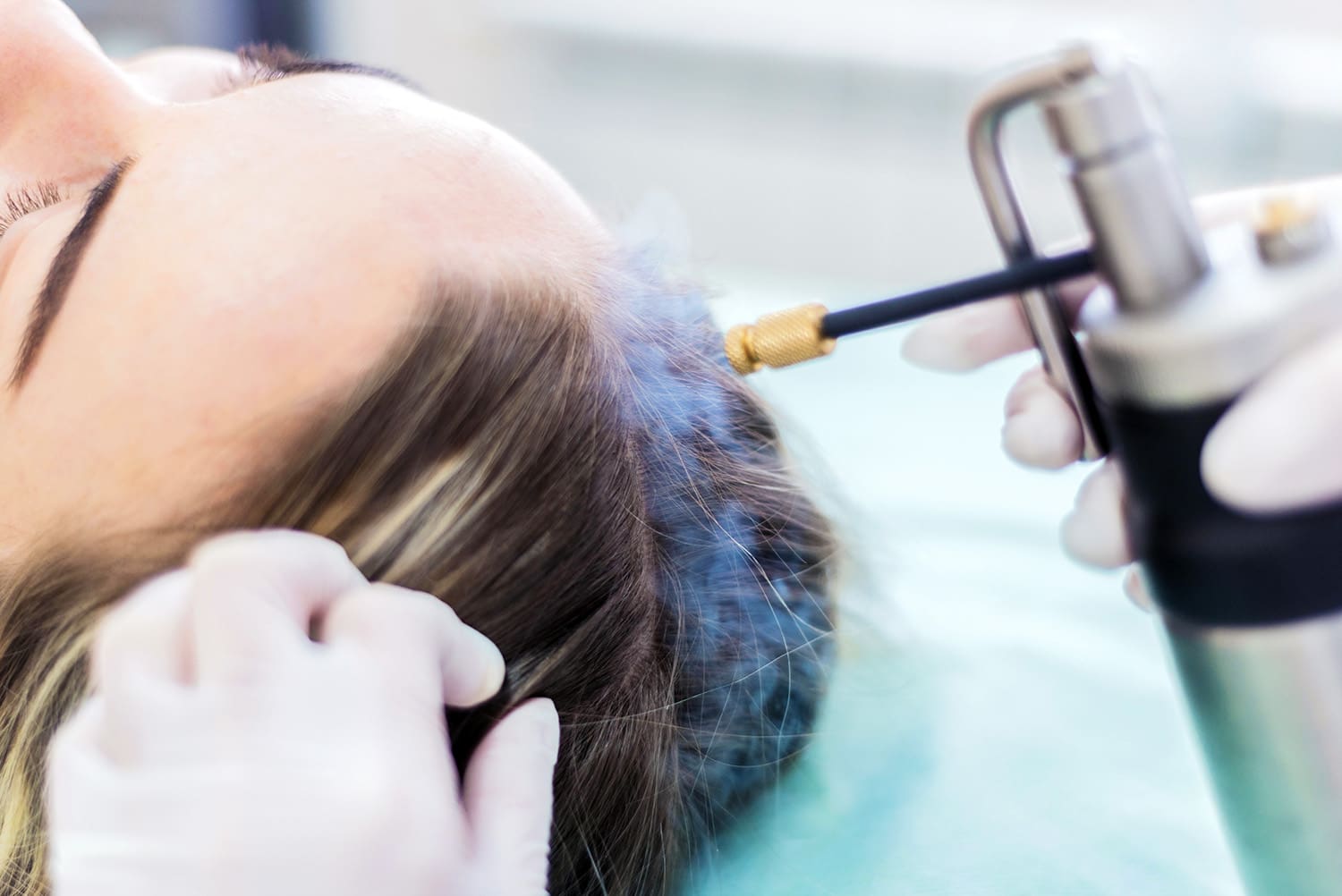
During the cryotherapy procedure, our doctors use liquid nitrogen to freeze the cancerous cells in the skin. The liquid nitrogen is applied to the affected area using a cotton swab or spray gun. The extreme cold causes the cancerous cells to freeze and die. Over time, the dead tissue is naturally absorbed by the body.
Cryotherapy offers several benefits as a treatment for skin cancer, including:
– It is a minimally invasive procedure that can be performed in our doctor’s rooms.
– It is typically less expensive than other treatments for skin cancer, such as surgery or radiation therapy.
– It has a lower risk of scarring than other treatments for skin cancer.
What to expect from a cryotherapy treatment?
Before undergoing cryotherapy, patients should talk to their doctor about any medications they are taking, including blood thinners or aspirin. These may need to be temporarily discontinued before the procedure to reduce the risk of bleeding.
Patients should also avoid using any creams, lotions, or other topical products on the affected area before the procedure, as these may interfere with the freezing process.
During cryotherapy, the patient may experience some discomfort, such as a burning or stinging sensation, as the skin is frozen. The dermatologist may use a local anesthetic to numb the area and reduce discomfort.
After the procedure, the skin may be red and swollen, and a blister may form. The blister will typically heal on its own within a few days to a few weeks.
Common side effects of cryotherapy treatment for skin cancer include redness, swelling, blistering, and crusting of the skin. These side effects are usually mild and resolve on their own within a few weeks.